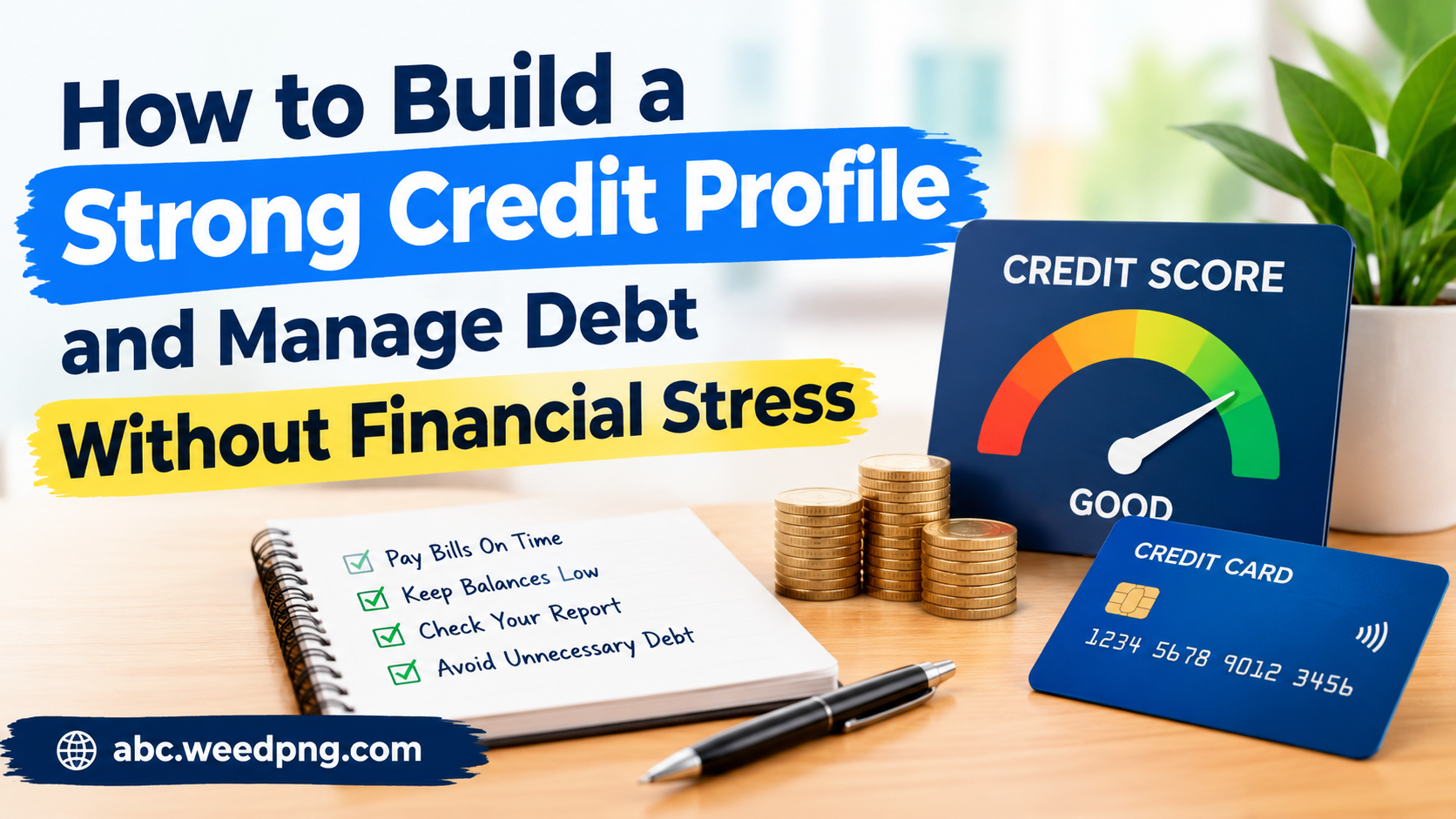
Build a Healthier Credit Profile Without Taking on Unnecessary Debt
A credit score can influence the borrowing options a lender offers, but chasing a number should never become a reason to borrow money you do not need. A stronger credit profile usually comes from repeatable routines: tracking what you owe, meeting payment deadlines, and keeping commitments affordable. Rules differ between countries and lenders, so use local credit-bureau guidance for location-specific details.
Begin With a Financial Snapshot
Write down each debt, its balance, minimum payment, and due date. Then estimate how much remains after essentials such as housing, food, transport, and utilities. This quick review helps identify whether your main challenge is missed payments, high balances, or a budget with little room for unexpected costs.
Next, request your credit report through an official bureau or authorized service where you live. Check the account history, not only the headline score. Confirm that listed accounts belong to you, balances look reasonable, and payment statuses are accurate. Keep a copy to compare against a future report.
Make Payment Deadlines Easier to Manage
Good intentions do not prevent every forgotten bill. Use calendar alerts, lender reminders, or automatic payments for bills you can safely cover from your bank account. With automatic payments, check your available balance so a transaction does not fail because funds are short.
Keep due dates in one list and review it weekly. If you expect difficulty paying, contact the lender before the deadline and ask what options may be available. A workable arrangement is better than promising an amount your budget cannot sustain.
Set Your Own Limit for Card Spending
A card limit shows how much the issuer may let you borrow; it does not measure what you can afford. Someone may have a generous limit but still struggle after paying rent, groceries, transport, and other essentials. Set a spending ceiling based on your budget rather than the maximum printed on the card.
Some scoring models consider how much revolving credit is being used compared with the total available. Lower balances may help, but no single utilization percentage guarantees a particular score. Where possible, pay the statement balance by its due date to avoid interest on purchases under the card’s terms. Carrying debt and paying interest is not a requirement for building credit.
Think Before Applying for New Credit
Promotional offers can make a new account feel urgent. Compare the annual fee, interest rate, late-payment charges, introductory conditions, and repayment rules before applying. Several applications in a short period can lead to additional credit inquiries, depending on the local system and product, and multiple new accounts can make your bills harder to manage.
Ask yourself whether the account meets a real need and whether repayments would remain affordable after an unexpected expense. If you are unsure, pause and review your budget instead of applying elsewhere immediately.
Correct Errors Through Official Channels
If a report shows a payment incorrectly marked late or an account you do not recognize, follow the bureau’s dispute process. You may also need to contact the company that supplied the information. Save statements, emails, and reference numbers so you can support your case.
Be cautious of services that promise instant score increases, request your account password, or tell you to challenge every entry without checking it. Accurate negative information generally cannot be removed simply because someone charges a fee. Never share one-time passcodes or online banking credentials with a supposed credit-repair agent.
If You Have Little Credit History
A person who has rarely borrowed may have limited information in their file; that is different from having a record of repeated missed payments. Options depend on your country and lender. Before choosing a credit-building product, confirm its costs, terms, and whether it reports account activity to the relevant bureau. Do not take on expensive debt simply to create activity, and never provide false information on an application.
Try a Four-Week Reset
In week one, review your report and list every due date. In week two, set reminders and adjust spending that keeps balances too high. In week three, contact lenders about payments you may not manage or errors you have found. In week four, assess what improved and keep the most useful routine for the following month.
Final Thoughts
A healthier credit profile comes from decisions you can maintain after a promotion or new-account offer has passed. Track your debts, create a dependable payment system, borrow only within your budget, and check your report through legitimate channels. Progress can take time and results depend on the scoring model, but steady habits can improve your position when borrowing becomes necessary.
